Flying To or From Tunisia? Turn Your Spare Kilos Into a Little Extra
Most travelers fly with room to spare in their luggage. Here is how to carry a wish or a parcel safely, legally and profitably — and build a reputation that pays off trip after trip.
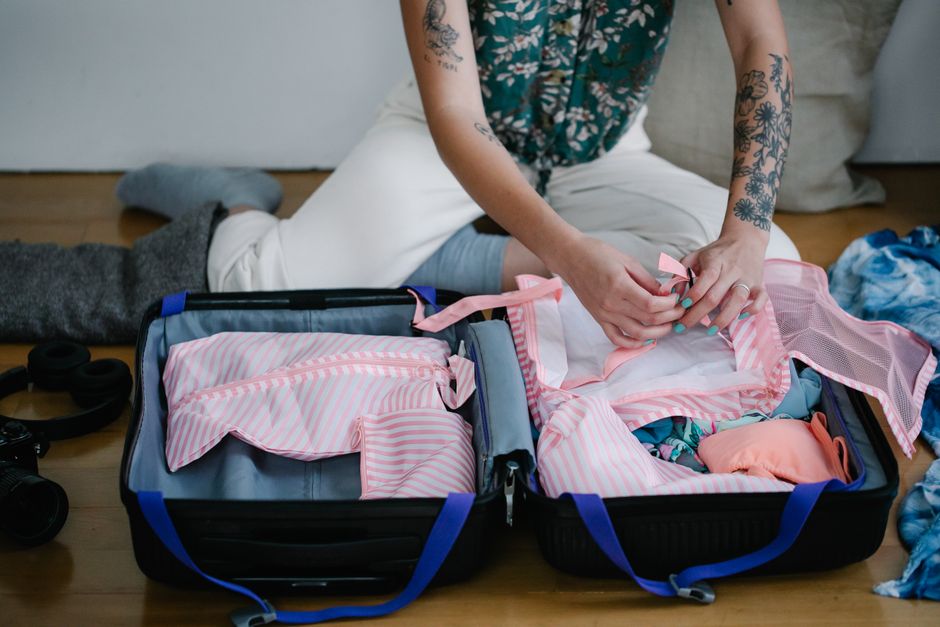
You booked your flight, you started packing, and there it is again: half your checked bag is still empty. A typical international economy ticket comes with a generous checked allowance — often around 23 kg — and most people fly nowhere near it. That empty space costs you nothing, weighs nothing, and travels with you anyway.
Meanwhile, someone back home is trying to get their hands on an item that is hard to find or overpriced where they live, and someone in the diaspora is looking for a trustworthy way to send a package to family. The spare kilos in your suitcase are exactly what both of them need.
This guide is for travelers flying between Tunisia and anywhere the diaspora lives — France, Canada, Germany, the Gulf, the United States and beyond. We will walk through how carrying works, how to do it safely and legally, how to agree on a fair price directly with the other person, and how your reputation as a reliable carrier compounds every single trip. No pressure, no fine print — just a practical way to make an empty corner of your bag worth something.
The spare kilos you are already flying with
Think about your last few flights. Unless you were moving house, you almost certainly landed with kilos to spare. A few clothes, a laptop, some gifts — and a lot of air. That unused allowance is a small resource that vanishes the moment you land, whether you use it or not.
There are two simple ways to put it to work:
- Carry a wish (a buy-on-behalf): someone wants a specific item sold abroad — a pair of shoes, a gadget, a supplement, a kids' toy. You buy it where you are, bring it in your bag, and hand it over on arrival. They reimburse the item and add a little extra for your trouble.
- Carry a parcel (something that already exists): a family member or a stranger has a package ready to go — documents, clothes, a gift for a relative. You add it to your luggage and deliver it at the other end for an amount agreed per kilo.
- Both directions count. Wishes usually travel from abroad toward Tunisia, but parcels and trips go both ways — plenty of people send things from Tunisia to loved ones overseas too.
How carrying actually works, step by step
It is simpler than it sounds. The whole thing is built around one rule: you stay in control of what goes into your bag, and money and trust are handled openly.
A normal, healthy exchange looks like this:
- You announce your trip — your route and roughly how many spare kilos you have.
- Someone reaches out about a wish or a parcel that fits your flight. You talk it through and agree on the details.
- You both accept, and only then do you exchange contact details to sort out the practicalities.
- For a wish, you buy the item (or they order it to you); for a parcel, you inspect it and pack it yourself.
- You travel, you meet on arrival, they reimburse any cost and hand you the extra you agreed, and the item changes hands.
- You both leave an honest review of how it went.
Carry safely and legally — the non-negotiables
This is the part that protects you, so read it twice. Being a carrier is completely legitimate, but only if you follow a few firm rules. Your name is on that suitcase, and you are responsible for what is inside it.
The golden rule: never carry anything you have not seen with your own eyes and understood completely. If someone hands you a sealed box and asks you to trust them, the answer is a polite no. There is no exception to this — not for a friend of a friend, not for a small favor, not for a nice person at the airport.
- Only carry what you have inspected. Open the parcel, look at every item, and know exactly what it is. If you are buying a wish yourself, you already know — that is one of the reasons buy-on-behalf is so clean.
- Never accept a sealed or pre-packed package from someone you cannot fully trust. A closed box you did not fill is a risk to your freedom, not just your trip.
- Refuse anything prohibited or restricted, no matter how it is dressed up: weapons, drugs or unprescribed medicines, large amounts of cash, counterfeit goods, or anything illegal. If it feels off, it is off.
- Respect customs. Bringing in reasonable personal items and gifts is normal; carrying commercial quantities is a different matter with its own rules. Declare what needs declaring.
- Check the current, official rules before you fly — Tunisian customs for what you may bring in, and your airline for weight, size and restricted-item limits. These change, so verify each trip rather than relying on what a friend told you last year.
- Keep the receipt for any item you buy on behalf of someone — it proves value and origin if you are ever asked.
Agreeing on a fair price — directly, between the two of you
Here is the honest truth: there is no fixed rate, and that is a good thing. What you earn is agreed directly between you and the other person, and it depends on the effort involved. Weslet never sets it and never takes a cut of it — the little extra is entirely yours.
The two types of carrying tend to be priced in two different ways, because they are genuinely different jobs:
For a parcel, people usually think per kilo. It reflects the space and weight you are giving up. A light, easy package that fits in a corner is worth less than a bulky one that eats half your allowance. Talk it through and land on a number that feels fair to both of you.
For a wish (a purchase), it works more like a share for the service. You are fronting the money, choosing the right item, and carrying the risk of getting it there. So the extra is a bit more than for a plain parcel — it recognizes that you shopped, paid, and delivered. Agree it up front, before you buy, so there are no surprises when you meet.
A few principles keep it clean:
- Agree the number before you commit, not after you land. Ambiguity is where good exchanges go sour.
- Separate the reimbursement from the extra. First they pay you back for what the item cost (keep the receipt), then they add the amount you agreed for carrying it.
- Price the effort, not the person. Heavier, bulkier, more fragile or more valuable means more work and more risk — reflect that.
- Do not undersell yourself, and do not squeeze. The best carriers are the ones people come back to, and that only happens when both sides walk away feeling it was fair.
Your reputation is the real asset
The single most valuable thing you build as a carrier is not one trip's extra — it is a track record. On a corridor where people have been burned by no-shows and vague promises, a traveler who is visibly reliable is rare and sought after.
This is why real, confirmed reviews matter so much. After each completed handover, both sides leave an honest review. Do a few clean trips and you stop being a stranger asking for trust — you become the person others recommend by name. That reputation follows you from trip to trip and quietly does your marketing for you.
The compounding is real: your first carry is the hardest to arrange, because you have nothing to show yet. Your tenth is easy, because ten people can vouch that you did exactly what you said. Regular travelers — students flying home each holiday, workers with a fixed route — benefit the most, because every trip adds to a reputation that would otherwise reset to zero each time.
The etiquette of a carrier people trust
Being reliable is mostly about small, unglamorous habits. None of this is hard; all of it is noticed.
Follow these and you will never be short of people asking you to carry:
- Communicate clearly and early. Confirm the meeting point, the timing and any change to your flight as soon as you know it.
- Do what you said you would. If you agreed to buy a specific model in a specific color, buy that one — do not substitute without asking.
- Protect the item. Pack it so it survives the journey; treat it as if it were yours.
- Be honest about problems. If a flight is delayed or an item was out of stock, say so straight away. People forgive circumstances; they do not forgive silence.
- Show up on time to hand over. The last five minutes of the exchange are what people remember and review.
- Never ask for advance payment for the carrying itself, and be wary of anyone who pressures you to. Money and item change hands at delivery, in person.
Putting your spare kilos to work
The empty space in your suitcase is a small opportunity that most travelers throw away on every flight. Used well, it helps a family get something they could not otherwise reach, it sends a parcel home safely, and it puts a little extra in your pocket — all from space you were flying with anyway.
This is exactly what Weslet was built for: a calm, trustworthy way to match travelers with people who need something carried, where contact details are only shared once both sides agree, payment stays directly between you, and every completed handover builds a reputation you keep. It is free to connect.
So next time you book a flight to or from Tunisia, announce your trip and say how many kilos you have to spare. Someone, somewhere in the diaspora, is already hoping a traveler like you is on the way. Post your trip, browse the wishes and parcels that fit your route, and turn that empty corner of your bag into your first clean carry. Safe travels.
Ready to send, bring, or carry?