What You Can (and Can't) Bring Into Tunisia: A Practical Customs & Packing Guide
A clear, friendly guide to Tunisian customs for travelers carrying items home and for anyone asking someone to bring something back. Understand personal effects vs. declarable goods, what's commonly restricted, and how to sail through the border.
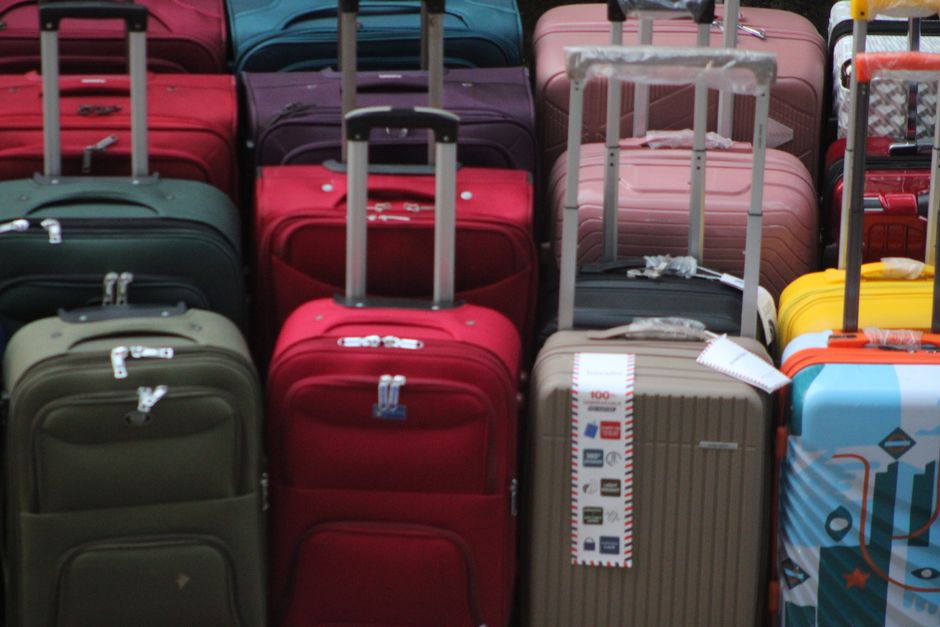
Whether you're a traveler with a little room in your suitcase or someone in Tunisia asking a relative or a friendly traveler to bring something home, the same question comes up every single time: what am I actually allowed to bring in?
It's a fair worry. Nobody wants to reach the customs desk after a long flight only to discover that the phone, the jar of vitamins, or the box someone asked them to carry has turned into a problem. The good news is that for ordinary personal items, crossing into Tunisia is usually straightforward. The trouble almost always starts with quantity, with a few specific categories, and with not knowing what's in the bag.
This guide walks through the general logic customs officers use, the categories that are commonly restricted, and simple habits that keep the border boring, which is exactly how you want it. Think of it as orientation, not legal advice: rules change, and the only sources that count are the official ones. We'll point you to them at the end.
The one distinction that explains everything: personal effects vs. goods
Almost every customs decision comes down to a single question in the officer's mind: is this for you, or is this merchandise?
Personal effects are the things a traveler reasonably uses or gives: your own clothes, your laptop and phone, toiletries, a reasonable amount of tobacco or alcohol for personal use, and modest gifts. These normally pass without duties and without paperwork. That's the everyday reality most travelers experience.
Goods are a different animal. Once quantities look commercial, once items are clearly new and boxed for resale, or once the value climbs past the traveler's personal allowance, customs may treat them as imports, meaning they can be declared, taxed, or held. The line isn't a single magic number you can memorize once and forget; it depends on the item, the quantity, the value, and how things are packed and presented.
The practical takeaway is simple: one phone for a family member reads very differently from five identical phones still shrink-wrapped in their boxes. Bring things the way a person carries a gift, not the way a shop stocks a shelf.
Categories that are commonly restricted or prohibited
Some things are welcome, some need to be declared, and a few must never be in the bag at all. Keep this general map in mind, and always verify the current specifics before you fly, because lists and thresholds are updated over time.
Broadly speaking, watch out for these families of items:
- Large quantities of anything. Several identical new items — electronics, cosmetics, clothing with tags, phones — quickly stop looking personal and start looking like stock for resale.
- Electronics in bulk or high value. A single personal device is normal; a small pile of new, boxed gadgets may be treated as goods and become declarable.
- Medicines, especially without a prescription. Personal medication is one thing; carrying quantities of drugs, or anything someone can't show a prescription for, is a classic way to get stopped. Never carry medication on someone else's behalf without the prescription that goes with it.
- Alcohol and tobacco beyond a modest personal amount. Small personal quantities are generally fine; larger amounts move you into declare-and-pay territory.
- Large sums of cash and valuables. Above a certain combined threshold, currency, gold, and negotiable instruments must be declared on arrival. Don't guess the figure — check the current official amount and declare when in doubt.
- Anything outright illegal. Weapons and ammunition (outside narrow, authorized exceptions), explosives, drugs, counterfeit goods, and items considered harmful to public health, safety, or morals are prohibited, full stop. There is no favor worth carrying these for.
- Certain plants, animal products, and specific banned goods. Some agricultural and specialty items are restricted for health or regulatory reasons. If an item is unusual, assume it needs checking.
Why "open the parcel and inspect the contents" protects the carrier
Here's the rule every carrier should live by: if you're going to bring something for someone else, you open the parcel and you see exactly what's inside before it goes into your bag. No sealed boxes, no "just don't open it, it's a surprise," no wrapped gifts you can't describe.
This isn't about being suspicious of a friend. It's about a hard fact of how borders work: at customs, the bag is yours, and so is everything in it. If a package contains something restricted, prohibited, or simply more than it should, the traveler carrying it is the one answering questions, not the person who handed it over. Ignorance of the contents is not a defense that keeps you out of trouble.
Opening and inspecting turns a blind favor into an informed one. You can confirm the item matches what was described, check it isn't on a restricted list, and pack it in a way you can explain in one sentence at the desk. If someone won't let you see what you're carrying, that is your answer — politely decline. A genuine request has nothing to hide.
This is also why serious carrying between strangers only works when both sides know what's changing hands. The item, the quantity, and the purpose should be clear before anyone gets on a plane.
Simple habits that keep the border boring
You don't need to be an expert to have a smooth crossing. You need a few good habits and nothing to hide. Here's a practical checklist:
- Keep it personal in look and quantity. Pack gifts as gifts, not as inventory. Remove excess shrink-wrap and shop packaging where it's reasonable to do so.
- Keep receipts and proof of value for newer or pricier items. If an officer asks what something is worth, a receipt answers faster than a debate.
- Know what you're carrying — all of it. If you can't describe an item and roughly what it cost, you're not ready to walk up to the desk.
- Carry prescriptions with any medication, and keep medicines in their original packaging.
- Declare when in doubt. Choosing the "nothing to declare" lane while carrying declarable goods or excess currency is the mistake that turns a small formality into a real problem. When unsure, take the declare channel and ask.
- Don't carry anything for someone you can't fully vet, and never carry sealed items you haven't seen.
- Stay calm and honest at the desk. Officers deal with nervous travelers all day; straight answers and clear items move fastest.
Before you fly: check the sources that actually count
Everything above is orientation, the shape of the rules rather than the exact numbers, because those numbers change and vary by item. Before any trip, spend ten minutes confirming the current specifics with the sources that are actually authoritative:
Check the official Tunisian customs guidance for current allowances, declaration thresholds, and the up-to-date list of restricted and prohibited items. And separately, check your airline's baggage policy — weight limits, size limits, and what can and can't go in checked versus cabin luggage. Customs decides what may enter the country; the airline decides what may get on the plane. Both have to say yes.
A five-minute check the night before beats an unpleasant surprise at the counter every time. If an item feels borderline, treat that instinct as a signal to look it up — or to leave it behind.
Links checked on 2026-08-20. Rules change: the official source is what counts, never this page. If you fly with another airline, check its own baggage policy.
Where Weslet fits in
This careful, know-what-you-carry approach is exactly what Weslet was built around. When someone in Tunisia posts a wish or a parcel, and a traveler offers to bring it, both sides see the item up front — what it is, and what it's for — long before anyone reaches an airport. The "open and inspect" habit isn't an afterthought here; it's the whole idea. Contact details are shared only once both people agree, payment is arranged directly between them, and the traveler carries only what they're comfortable carrying.
That transparency is what makes carrying for someone feel safe rather than risky — and it's why a real handover leaves both people with a genuine review they can point to next time.
If you've got room in your suitcase on your next trip home, post a trip and let people know your route. If you're in Tunisia and there's something you'd love a traveler to bring, post a wish or a parcel and describe it clearly. Either way, you'll be starting from the one place a smooth border begins: everyone knowing exactly what's in the bag.
Ready to send, bring, or carry?